
As the industry leader in enabling our customers to create the future of energy, Enverus is very attuned to changes in the energy landscape. Legislation has played a key role in encouraging renewable development in the energy transition. Examples include tax incentives such as the Production Tax Credit (PTC) that credits renewable energy developers for each kilowatt-hour of electricity generated, and the Investment Tax Credit (ITC) which helps renewable energy developers offset the upfront costs of development. The Inflation Reduction Act (IRA), signed into law in 2022, extended and expanded ITC & PTC as well as other incentives to invest in the energy transition. This list of the top 10 U.S. solar developers highlights how these incentives have already contributed to significant solar capacity additions across the country. With any change in administration, it is possible that legislation around the energy transition might have impacts on the industry as a whole. The biggest changes to look out for will be around tariffs and changes to the IRA.
Trump talks often about his intention of raising tariffs, which has potential to impact renewable developers as the supply chain may tighten. Solar tariffs have existed for over a decade, especially directed towards China which over the past two decades has become the world’s primary supplier of solar panels. Trump instituted solar tariffs in his first term to bolster the domestic solar supply industry, which Biden then eased to encourage development, but did not eliminate. In a second term, Trump has talked about implementing higher, stricter, and potentially broader tariffs. This could mean Southeast Asian countries are more impacted, which is meaningful because China had previously moved manufacturing to Southeast Asia to avoid some tariffs. Cases concerning Anti-Dumping and Countervailing Duties (AD/CVD) that might have addressed the issues of lower prices for foreign technology and avoided tariffs by working through other countries were in ongoing discussions during the Biden administration and still have not been fully settled. This means that changes in enforcement of the AD/CVD could lead to shifts in the imported panel market. New tariffs could also cover critical solar technology beyond panels such as batteries and inverters. International trade dynamics have many different factors and variables, and it remains to be seen what the new policies are. It is certainly possible to expect higher prices on imported technology (in addition to high prices on domestic technology that has not yet reached China and Southeast Asia’s scale of production) and supply chain disruptions, as developers outside of Southeast Asia may not be able to meet the same demand (Green Ridge Solar, 2024).
Trump recently selected Chris Wright, CEO of Liberty Energy, one of North America’s largest oilfield services companies, as his pick for Energy Secretary. This choice may lead to policy decisions that favor the oil and gas industry or hamper the energy transition, such as credit reductions for Carbon Capture, Utilization & Storage (CCUS), cutting back hydrogen fuel research, ending offshore wind development and electric vehicle credits, and increased import tariffs. The ITC and PTC are less likely to be impacted with the new administration given they benefit red as well as blue states, and in Trump’s last term both credits were extended. These changes may present significant challenges for the renewable sector as outlined in an Enverus Intelligence study. Wright is also notably an advocate for geothermal energy, considering Liberty Energy is an investor in Fervo Energy, an enhanced geothermal company (Latitude Media, 2024). Enhanced geothermal may be particularly appealing to the oilfield services industry as it is a potential next generation use case for fracking technology. This involves pumping water deep underground to hot rocks and using the resulting steam for energy. This technology is generally popular regardless of politics so we may see increases in enhanced geothermal research and development.
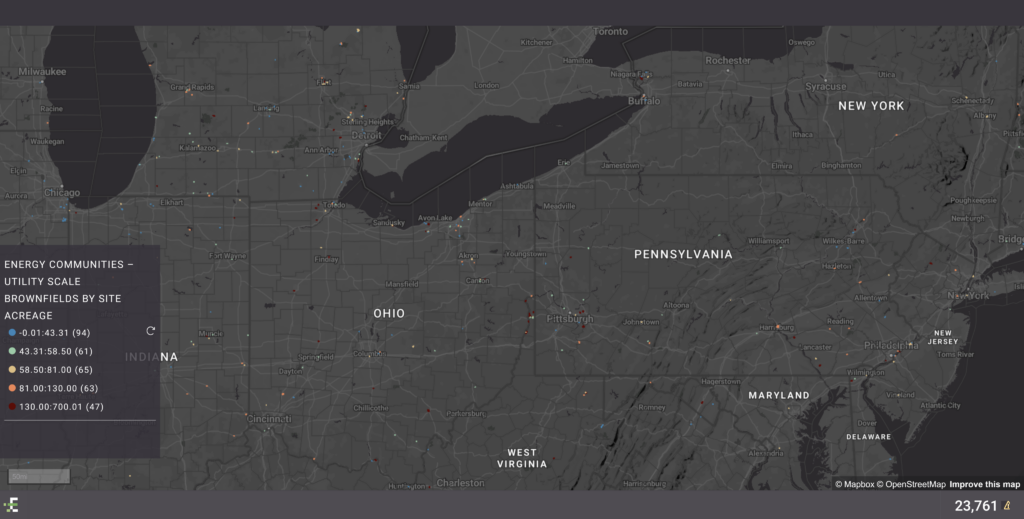
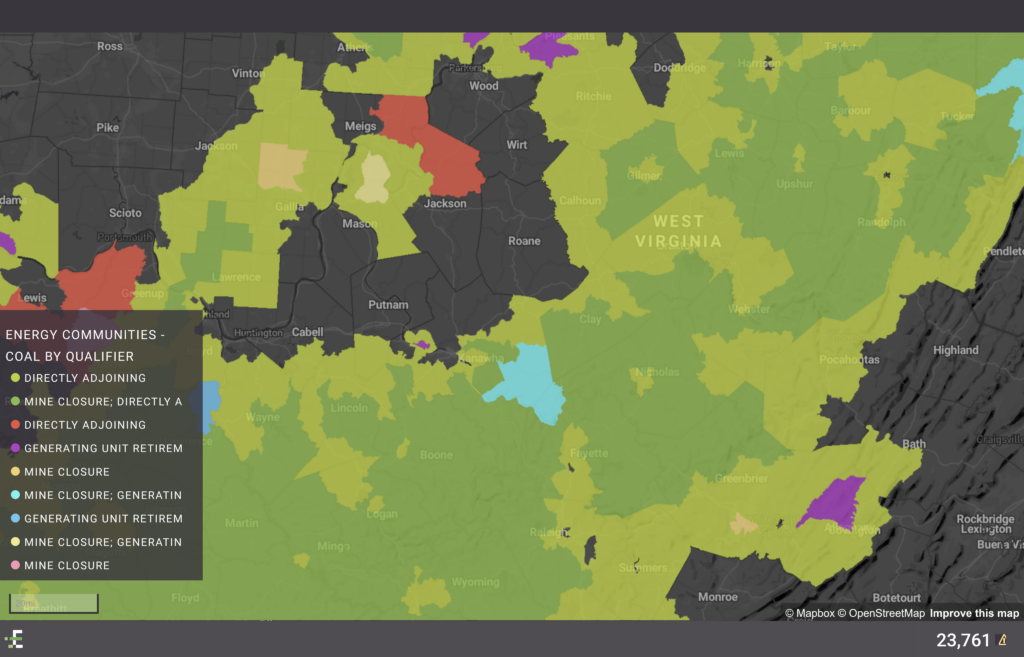
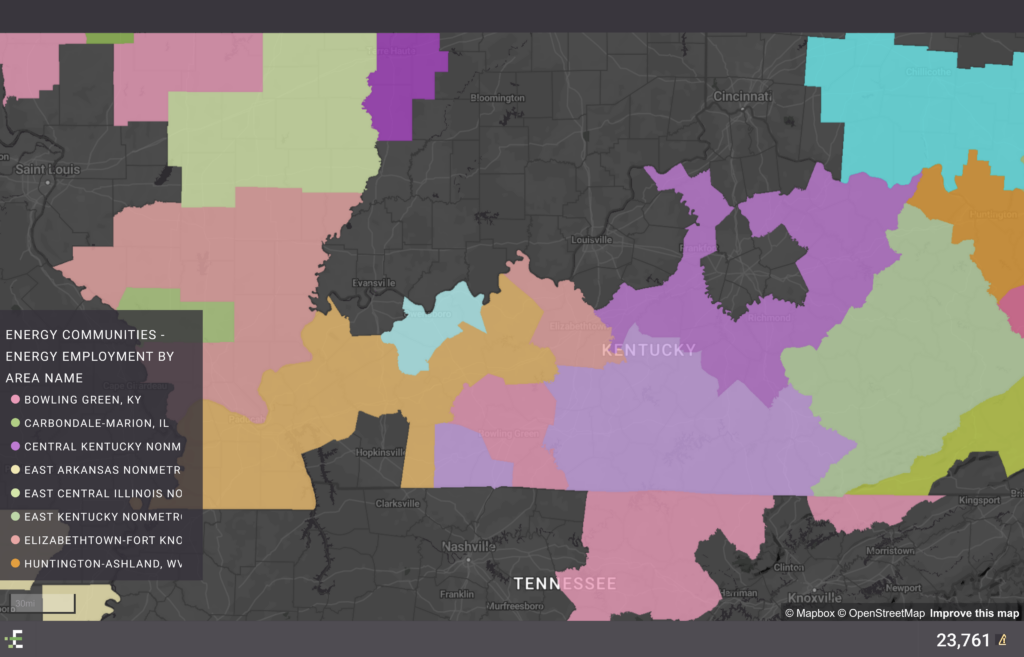
Experts and politicians across the aisle have talked about the importance of relative consistency in tax credits for the sake of market stability, so time will tell how these competing priorities and opinions manifest in the next administration. The IRA is likely fairly safe as it is law, but it is not immune to changes the Trump administration may implement, especially since there are details in the IRA not yet ironed out. For example, issues like how to qualify credits and permitting reform have yet to be defined. A new administration could impact and slow these processes. One planned and impactful shift within the IRA rollout is that as of January 2025, the credits outlined that had previously been specific to technologies such as solar panels and wind turbines (specifically advantaged in the first several years of the IRA to encourage production and development), have now broadened to be tech neutral, with the only qualification being that the technology is zero emission. This means that research and development into new and existing technologies that are zero emission can now benefit from tax credits. As the IRA is a 10-year program, there are still funds not yet allocated or spent and Trump has often talked about reclaiming those funds (Politico, 2024). It is unclear to what extent that will be possible, projects with allocated funds that have not yet started construction may be at risk, though public opinion may also have an impact. The IRA has and will continue to demonstrate value in blue as well as red states, creating clean energy jobs in areas that are historically fossil fuel focused, which could make dramatic changes unpopular. There are a few types of areas outlined in the IRA which offer specific incentives for renewable development. These include:
- Brownfields
- Coal communities
- Energy employment areas
A brownfield is an area whose development faces additional complications due to the presence or potential presence of hazardous contaminants. A coal community refers to an area impacted by the closure of a coal mine after December 31, 1999, or the retirement of a coal-powered electric generating unit after December 31, 2009. An energy employment area is a metropolitan or non-metropolitan area where 0.17% or more direct employment, or a minimum of 25% of local tax revenue, is attributed to the extraction, processing, transportation, or storage of oil, coal, or natural gas, and the unemployment rate is the same or greater than the previous year national average.
Specific focus and incentives around these areas not only motivate the energy transition, but also have focused and significant economic impacts. At Enverus, our Energy Communities data offering helps developers find these areas and take advantage of these incentives. As the Trump administration takes office, our team will be paying close attention to keeping this information up to date and relevant for our customers.
Another consideration is that while the Trump administration can make changes to federal legislation around energy, states can also set their own policies. We saw this in Trump’s first term- when the US withdrew from the 2015 Paris Agreement, a bipartisan group of states and territories stepped up and committed to individually upholding the agreement. This group, known as the United States Climate Alliance, also committed to meeting or exceeding the goals set in the federal Clean Power Plan, an Obama era policy. Thus, while Trump may choose to continue to redirect federal legislation away from climate goals and the energy transition, states still have the agency to set their own goals and the momentum since Trump’s first term has only grown.
Outside the scope of a new administration, corporate ESG goals, primarily originating out of the Paris Agreement, also have an impact on the energy transition as corporations looking to meet these goals purchase Renewable Energy Credits (RECs), or “green credits”. Per the EPA, RECs are issued when one megawatt-hour of electricity is generated and supplied to the power grid from a renewable energy source. For example, Microsoft has a portfolio of power purchase agreements (PPAs) with the AES Corporation and has committed to supporting many of their existing and future renewable projects (AES 2024). There are many other examples of global corporations that have made long term commitments to renewable energy and these investments are unlikely to change with a new US administration or shifting policy. These corporate ESG goals are only growing in influence as places like the EU now mandate ESG reporting through the Corporate Sustainability Reporting Directive (CRSD) effective January 2023.
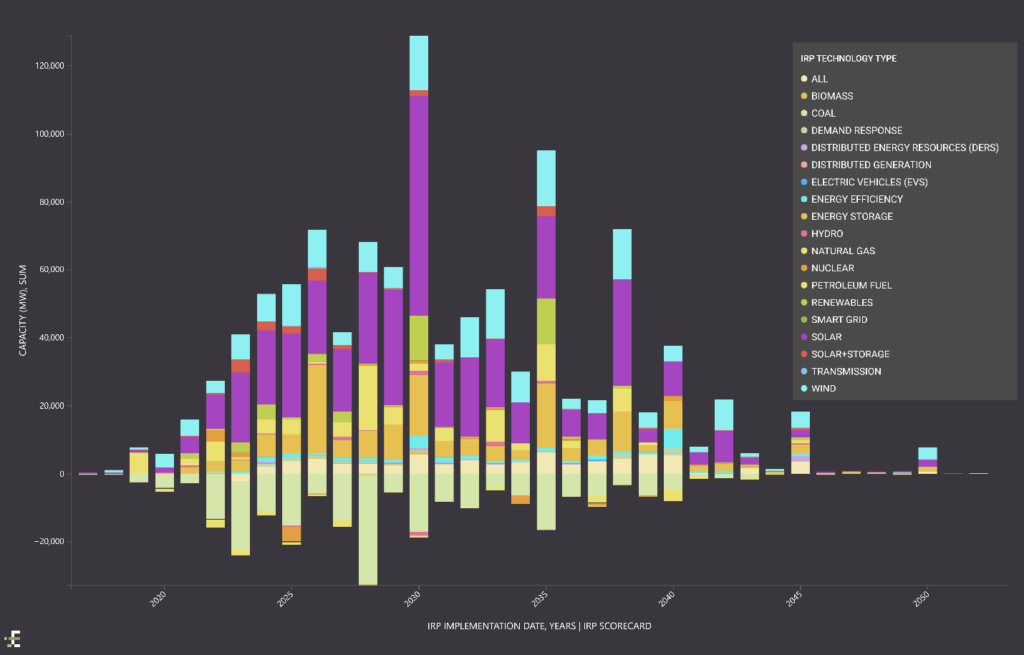
While there are many discussions and predictions around the potential impact of a new administration on the energy transition, we will ultimately have to wait and see. The clean energy transition continues to demonstrate significant momentum, especially since 2016, between universally beneficial economic incentives, state initiatives, and corporate ESG goals. Regardless of how the energy landscape may change in the coming years, Enverus will continue to hold its post as the industry leader providing solutions and intelligence for the energy transition.
About Enverus
Enverus is the leading energy-focused software company globally, serving over 6,000 businesses, including more than 1,000 players in the electric power markets. Each day, over 7,500 users rely on our platform to drive decision-making in project development, grid management, power trading and asset management. Our advanced data integration sets us apart, transforming complex and scattered datasets into the most detailed, analytics-ready information on power markets.
With a legacy spanning more than 25 years and backed by strategic acquisitions totaling more than $200 million in the power sector, Enverus delivers unmatched insights through a state-of-the-art software platform. Our commitment to innovation is underscored by a $3 billion investment, ensuring we offer the most modern and effective solutions tailored for the energy industry’s dynamics.
Our team of 1,700 includes over 300 dedicated specialists in power and renewables, comprised of industry veterans and PhDs who apply their deep knowledge to solve the unique challenges of the power sector. This expertise not only enhances our software solutions but also enriches our advisory services, making Enverus a pivotal resource for industry leaders worldwide
Explore Power & Renewables