
Wholesale Electricity Market

The Wholesale Electricity Market is where electricity is bought and sold in bulk among power generators, utilities, and traders before being delivered to retail consumers, with prices determined by supply and demand and managed by entities like ISOs or RTOs.
Transmission Constraints

Transmission constraints refer to limitations in the capacity of power lines or grid infrastructure that restrict the flow of electricity between locations, often causing price spikes or supply issues in affected areas.
Active Wake Control (AWC)

AWC stands for active wake control. This strategy is used in wind farms to optimize the overall power production and reduce structural loading on wind turbines. By intentionally adjusting the yaw angles of turbines, AWC redirects the wake effects caused by upstream turbines away from downstream turbines, thereby enhancing the efficiency and energy output of the entire wind farm.
Available Transfer Capability (ATC)
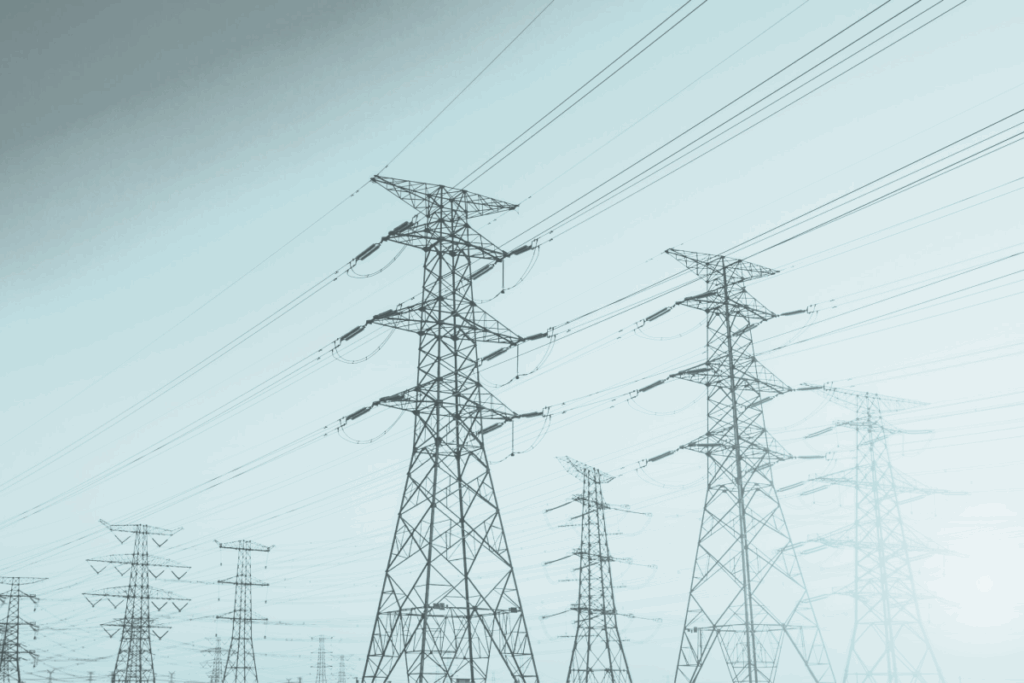
Available Transfer Capability (ATC) represents the amount of power that can be reliably transferred through a transmission network or substation after accounting for existing commitments like current loads and scheduled energy transfers. ATC is crucial for renewable energy developers, as it helps determine whether a site can handle the additional power generated by new projects without requiring costly infrastructure upgrades. This metric ensures grid flexibility and reliability, supporting the integration of renewable energy sources into the power system.
Power Purchase Agreement (PPA)
A Power Purchase Agreement (PPA) is a long-term contract between an electricity generator and a customer, such as a utility, government or company. Under a PPA, the customer agrees to purchase electricity at a predetermined price for a specified period, typically ranging from 5 to 20 years. PPAs are crucial for financing renewable energy projects like solar and wind farms, as they provide a stable revenue stream for the generator.
Levelized Cost of Electricity (LCOE)
The levelized cost of electricity (LCOE) is a metric used to evaluate the average cost of generating electricity over the lifetime of a power plant. It includes all costs associated with the plant, such as initial investment, operation and maintenance, and fuel, divided by the total electricity generated.This measure helps compare different energy generation methods on a consistent basis, aiding in investment planning and policy decisions.
How developers are stacking the odds to unlock value in clean fuels projects

Enverus Intelligence® Research (EIR) has released a new report on how changes to clean energy tax credits under the One Big Beautiful Bill Act could reshape project economics and create new opportunities for revenue optimization.
Sunburned & winded: Only 30% of U.S. solar and 57% wind projects expected to survive under one, Big, Beautiful Bill Act

CALGARY, Alberta (July 15, 2025) — Enverus Intelligence® Research (EIR), a subsidiary of Enverus, the most trusted energy-dedicated SaaS company that leverages Generative AI across its solutions, has released a new report accessing the impact of the One Big Beautiful Bill Act now that it has been signed into law. In the report, EIR experts […]
Everything’s Bigger in Tech-SaaS | Fermi Plans 11 GW AI Campus With TTU

The Texas Tech University (TTU) System and Fermi America announced an 11 GW data center powered by a mix of natural gas, utility grid power, solar, wind and nuclear energy. The newly founded power company is building one of the largest behind-the-meter advanced energy and artificial intelligence campuses in the U.S., covering about 5,800 acres […]
Locate and De-Risk Potential Solar Projects

Learn how to site solar projects smarter with land, grid and financial data. Join Enverus for tools to reduce risk and improve interconnection success.