
Enverus Power Forecasting Solutions: Delivering Precision and Innovation

In the dynamic landscape of energy markets, accurate load forecasting is essential for informed decision-making. Enverus power forecasting solutions have consistently demonstrated exceptional performance, particularly during extreme weather events and critical peak demand periods. Complementing this reliability, our ongoing commitment to innovation has led to significant enhancements in our forecasting models. This blog highlights the […]
Repowering

Repowering refers to the process of upgrading and modernizing existing power plants, such as wind farms or solar installations, to increase their efficiency, capacity and lifespan. This typically involves replacing older components with newer, more advanced technology, such as installing higher-capacity wind turbines or more efficient solar panels. Repowering helps to enhance the performance of renewable energy projects, reduce maintenance costs, and make better use of existing infrastructure, thereby supporting the transition to a more sustainable energy system.
Big Beautiful Bill: What’s Next for Energy?

Watch this timely webinar with Enverus Intelligence® Research experts to break down the implications of the recently signed One Big Beautiful Bill Act.
Day-Ahead Market

The day-ahead market is a wholesale electricity market where participants schedule electricity transactions one day in advance, based on forecasted supply and demand, to optimize grid operations.
Real-Time Market

The real-time market is a wholesale electricity market where trading occurs in short intervals, typically 5 to 15 minutes, to balance immediate supply and demand fluctuations and ensure grid stability.
Wholesale Electricity Market

The Wholesale Electricity Market is where electricity is bought and sold in bulk among power generators, utilities, and traders before being delivered to retail consumers, with prices determined by supply and demand and managed by entities like ISOs or RTOs.
Transmission Constraints

Transmission constraints refer to limitations in the capacity of power lines or grid infrastructure that restrict the flow of electricity between locations, often causing price spikes or supply issues in affected areas.
Active Wake Control (AWC)

AWC stands for active wake control. This strategy is used in wind farms to optimize the overall power production and reduce structural loading on wind turbines. By intentionally adjusting the yaw angles of turbines, AWC redirects the wake effects caused by upstream turbines away from downstream turbines, thereby enhancing the efficiency and energy output of the entire wind farm.
Available Transfer Capability (ATC)
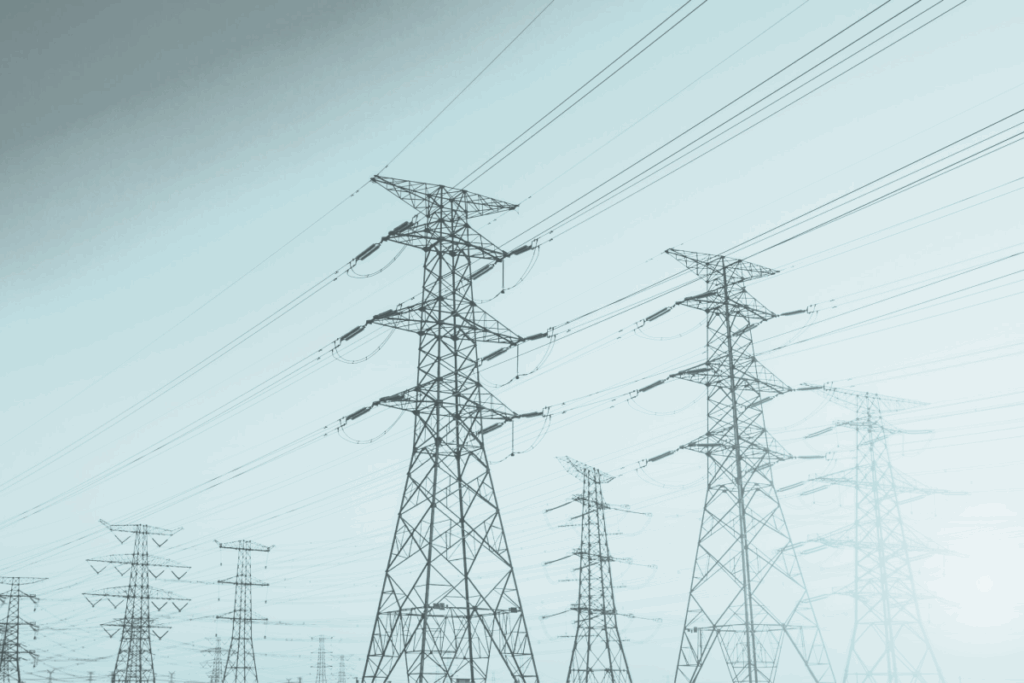
Available Transfer Capability (ATC) represents the amount of power that can be reliably transferred through a transmission network or substation after accounting for existing commitments like current loads and scheduled energy transfers. ATC is crucial for renewable energy developers, as it helps determine whether a site can handle the additional power generated by new projects without requiring costly infrastructure upgrades. This metric ensures grid flexibility and reliability, supporting the integration of renewable energy sources into the power system.
Power Purchase Agreement (PPA)
A Power Purchase Agreement (PPA) is a long-term contract between an electricity generator and a customer, such as a utility, government or company. Under a PPA, the customer agrees to purchase electricity at a predetermined price for a specified period, typically ranging from 5 to 20 years. PPAs are crucial for financing renewable energy projects like solar and wind farms, as they provide a stable revenue stream for the generator.