Power infrastructure builds are accelerating. Utilities are procuring at scale and developers are moving faster than ever. For Engineering, Procurement, and Construction (EPC) firms competing for this work, the pressure on bid quality, speed, and selectivity has never been higher.
Many EPCs still rely on existing relationships and reactive processes to source new work — in fact, 60% of EPC RFPs come from existing clients today, leaving a significant share of the market untapped.
Fragmented tools and data silos mean front-end engineering (FEED) designs can take weeks, consuming scarce engineering capacity on pursuits that may never materialize.
Interconnection queues are backlogged with projects (over 2.6 terawatts waiting in U.S. queues) and most proposed projects (80–90%) never get built.
In this fast-moving environment, executives must position the platform where activity is going – identify the geographies, technologies, and customers most likely to scale and become the preferred partner ahead of the growth. For leaders executing on strategic initiatives, they can’t afford to be burdened with slow bids, lagging project execution, or cost overruns.
The four workflows outlined here — from strategic market positioning and business development to accelerated preliminary design — give EPCs the intelligence and tools to increase bid volume, improve win rates, and grow with confidence.
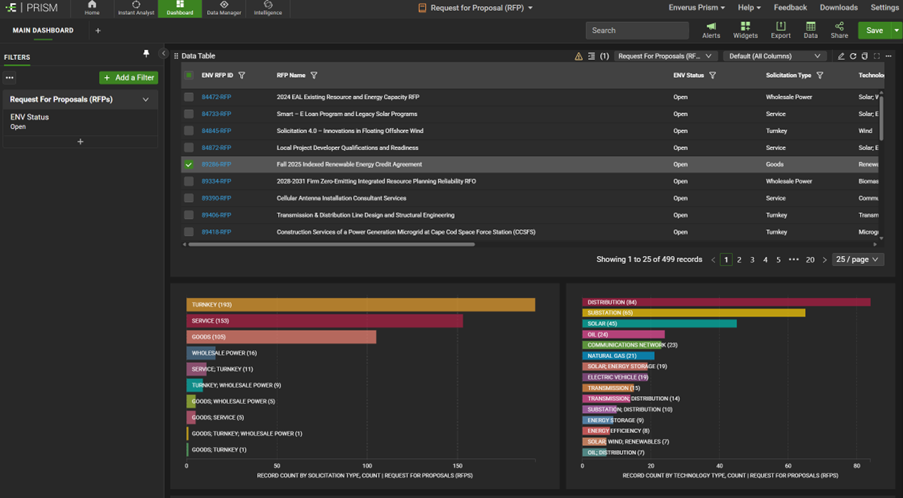
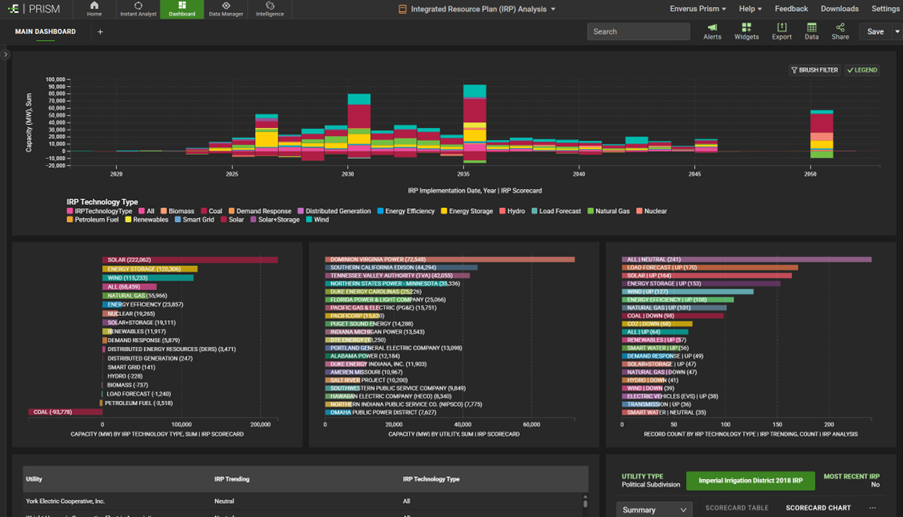
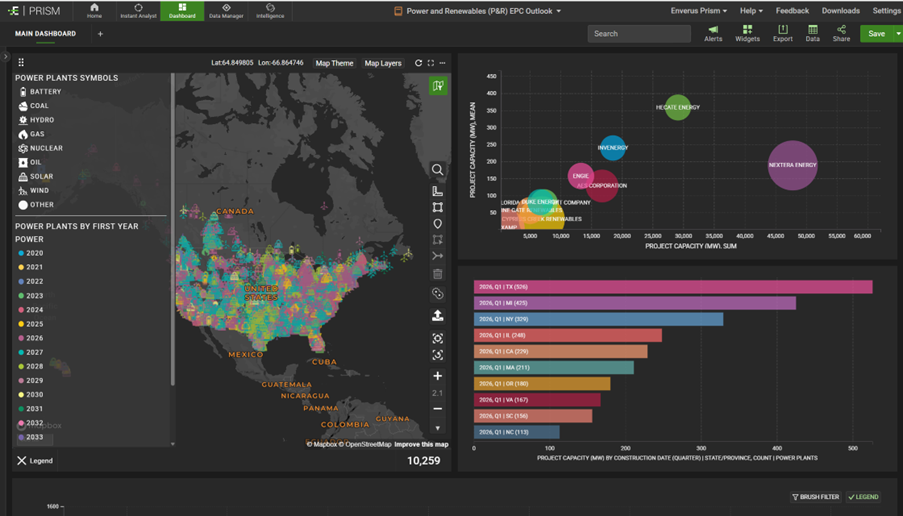
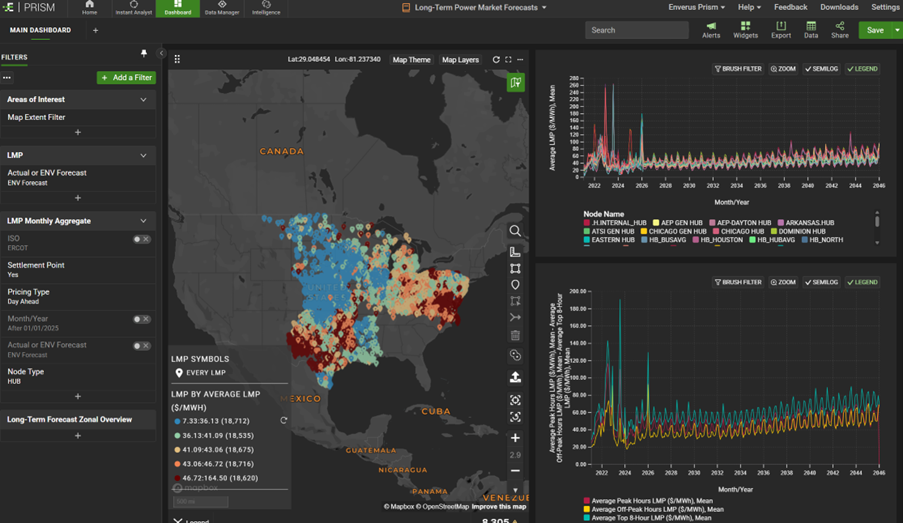
Figure 1: Enverus PRISM® is a single decision-making platform, bringing together market intelligence, project siting, and grid forecasting to empower EPCs to build business strategy around future actual project growth and minimize risk.
Workflow 1: Market Intelligence for Competitive Market Position
“Build a Proactive, Growth-Focused Business”
Challenge: Understanding the short and long-term market outlook to build business strategy around future project growth.
Power project opportunities follow market signals: utility Integrated Resource Plans (IRPs), policy targets, load growth forecasts, and developer activity. Without clear visibility into these signals, it’s hard to predict where future projects will be. Executives often struggle to identify geographies, technologies, and customers most likely to scale in order to position their business as the preferred partner ahead of the growth. Firms stay reactive rather than proactive. This can mean missing high-value opportunities.
Solution: Use Enverus’ power market intelligence to know “where to play” and “with whom” far ahead of your competition. This sets your business up to win in 2+ years when the next build cycle peaks.
Figure 2: Enverus PRISM allows you to conduct analysis of projects in minutes to evaluate risk, opportunities, market inflection points, and project viability, so you pursue projects that have a feasible path to COD. Only Enverus combines deep expertise, proprietary insights, and advanced analytics to deliver a fully transparent, scenario-based forecast that provides a forward-looking view of power markets.
How it works:
Identify High-Growth Markets: Enverus delivers transparent, scenario-based power market forecasts built on proprietary data and primary research — giving EPCs the forward-looking view needed to evaluate risk, spot inflection points, and assess market viability without costly in-house modeling. For example, if multiple utilities in a particular state plan major solar and battery procurements in the next 5 years (as revealed in their IRP filings and integrated into Enverus’ Long-Term Forecast), that state should be a target for focus or expansion.
Target Key Developers and Owners: Next, use Enverus project tracking data to find which developers have large pipelines in those high-growth areas.
• View company profiles and see which projects are tied to each developer.
• Then prioritize outreach to those developers, armed with specific knowledge of their projects. (e.g. “We see you’re active in Texas with three 2026 solar projects; our team has deep experience in that market…”).
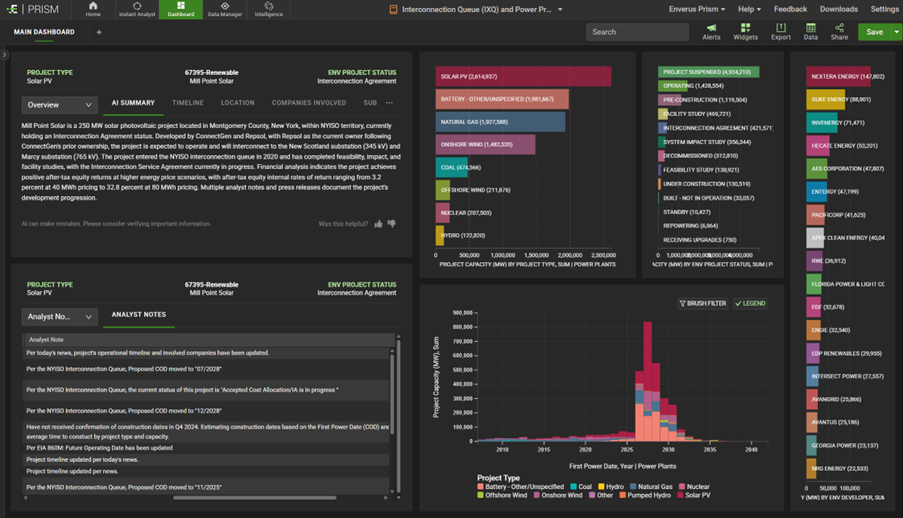
Figure 3: Enverus project tracking data helps you identify which developers have large pipelines in identified high-growth areas. With unmatched tracking across 80,000+ projects and as the only provider with enhanced data backed by primary research, Enverus offers more analytics-ready data and project completion probability metrics, enabling insights for risk-adjusted capital and time allocation.
Leverage Full Enverus Suite for Value-Add: Enverus’ market intelligence (price forecasts, long-term forecasts, or grid congestion analysis) can be used in discussions with potential clients. An EPC might prepare a brief insight for the developer:
“According to Enverus forecasts, power demand in this county is set to grow 20% by 2030, strengthening the case for your project. We can help you capitalize on that.”
Approach your customers with confident, data-driven insights and demonstrate the expertise that opens doors and inspires confidence.
Figure 4: Gain clear, data-driven views of the future with Enverus Long-Term Forecasting, offering full transparency into key assumptions and market drivers. Only Enverus combines deep expertise, proprietary insights and advanced analytics to deliver fully transparent forecasts.
Outcome:More strategic growth and higher-quality pipelines.
Deploy business development and engineering resources in markets primed for growth, grounded in data. Instead of chasing every potential project, the team focuses on markets and partners that align with growth trends — improving the operating efficiency of the business overall.
The result is a pipeline with larger, more viable projects and a reputation as an EPC that “gets” the market. By moving early, you lock in business that competitors didn’t even know was coming. Market intelligence from Enverus helps executives see around the corner – turning industry insight into true advantage ahead of the next build cycle.
Workflow 2: Data-Driven Project Prospecting
“Never Miss an Opportunity”
Challenge: Limited line-of-sight to new projects.
EPC business development teams often rely on existing clients, word-of-mouth, or industry events to hear about upcoming opportunities. This reactive approach means valuable projects are missed, and chasing leads without data yields low hit rates — often only 10–15% of pursued deals convert to wins. In a fast-moving market, limited early visibility into developer pipelines puts EPCs at a structural disadvantage.
Without timely intelligence on project timelines and counterparty activity, teams struggle to prioritize the right opportunities or position the business competitively before RFPs hit the market.
Solution: Leverage Enverus Project Tracking for intelligent prospecting.
Enverus has the most comprehensive database with 80,000+ projects, with details on developer, technology, size, status, grid connection viability, and proprietary probability metrics. We are the only provider with decades of experience in project tracking and true enhanced project data backed by primary research. Updates are daily with news on 20-25 new projects on average.
How it works:
Discover New Projects Instantly: Search and filter projects by location, size, technology (solar, wind, battery), status (e.g., early-stage, in permitting), and more. Instead of waiting for word-of-mouth, the BD Manager gets daily updates on new projects and can quickly identify those fitting the company’s target profile.
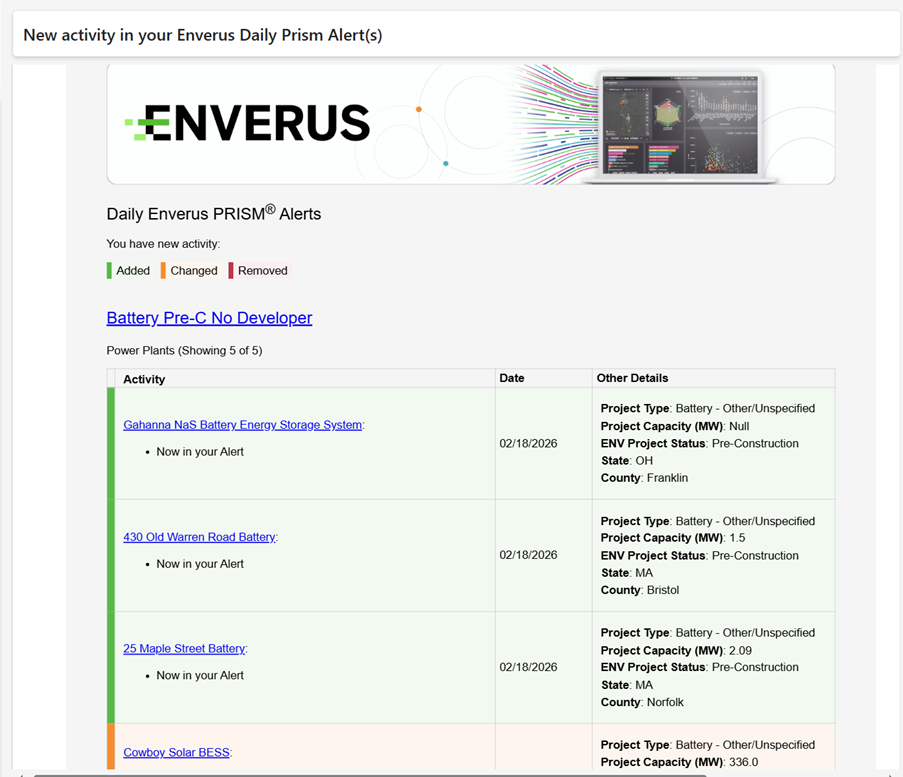
Figure 5: Enverus project tracking alerts can be set up to alert business development teams with daily updates on projects fitting your company’s profile. Project tracking data is updated daily with news on 20-25 new projects on average.
Qualify and Prioritize Opportunities: For each project, review key data (developer, project history, land and interconnection status, planned online date, etc.). This helps gauge the project’s viability. For example, filter solar projects in a certain state that have secured site control or interconnection queue positions, indicating higher likelihood to proceed.
Utilize Enverus’ proprietary project likelihood metric to evaluate and benchmark projects across all the drivers that impact the path to COD.
Figure 6: Enverus allows granular analysis of project pipelines/developer activity. Armed with this intelligence, the BD team can reach out to project developers early (contact info included) and showcase relevant experience, getting in the door before formal RFPs are issued.
Build a Proactive Pipeline: Armed with this intelligence, the BD team can reach out to project developers early (contact info included) and showcase relevant experience.By aligning with developers’ timelines, the EPC gets in the door before formal RFPs are issued. They can nurture new relationships and position themselves as the go-to EPC for those upcoming projects.
When tracking projects, early intervention is key. Once construction starts, it’s a done deal if you’re not already selected. I was working nights and weekends tracking ~350 projects across Indiana, Kentucky and Ohio. When I saw that Enverus was tracking 1,300 projects in those states, I knew I’d never have enough time to do that. Enverus eliminated the research needed to find developers and EPCs, and has helped us get in front of and win more projects.
Jeremy Welch | Renewable Coordinator, Central Midwest Regional Council of Carpenters
Outcome:Smarter, faster business development, better resource allocation on the most viable opportunities, and competitive business positioning.
An Enverus-equipped BD team can identify and qualify new projects roughly four times faster than using manual research. This efficient workflow means an EPC can grow their opportunity pipeline without a commensurate increase in BD headcount. Moreover, by focusing on the most promising projects (and tracking competitor and developer activities), the team improves its proposal win rate.
Workflow 3: Interconnection Risk Screening
“Bid on Winners”
Challenge: Wasted time and resources on projects that never materialize.
The harsh reality is that most proposed power projects — up to 90% — fail to reach construction, most often due to interconnection delays or unfavorable grid economics. EPCs absorb real cost when engineers and bid resources are consumed by pursuits that never move forward. Without clear data on queue positions and network upgrade costs, it is difficult to know which projects are worth pursuing in the first place.
Solution: Qualify projects upfront with data from interconnection queues, transmission studies, and cost estimates to help EPCs assess project viability before bidding.
How it works:
Check Queue Position & Timeline: Examine a project’s status in the queue and how many megawatts are ahead of it. For instance, if a 100 MW solar project is deep in a congested queue with many larger projects ahead targeting the same POI, that’s a red flag.
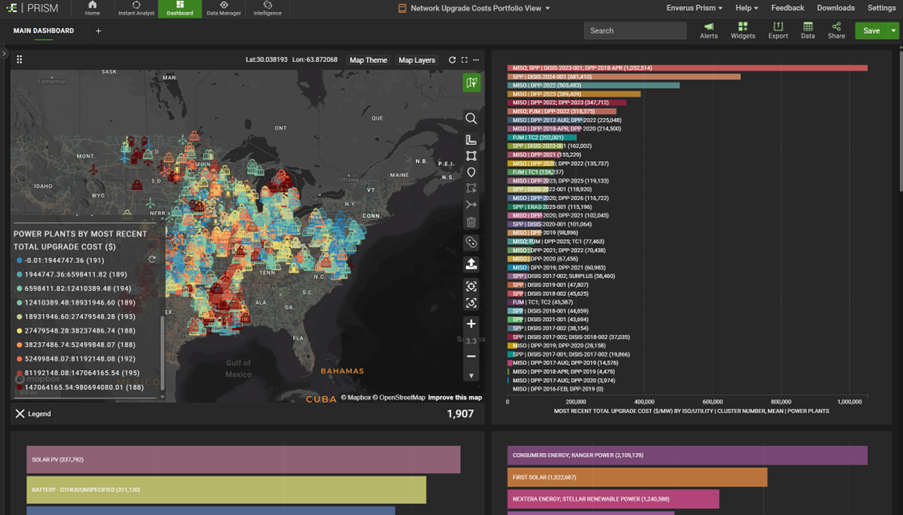
Figure 7: Enverus PRISM helps you assess project viability before bidding. You can check queue position and timeline, analyze network upgrade cost, and view completion project probability scores.
Analyze Network Upgrade Cost: Get estimates of potential grid upgrade costs and $/MW cost factors for projects in different regions or queue positions. Quickly see if a target project faces high upgrade costs, which often cause projects to be abandoned.
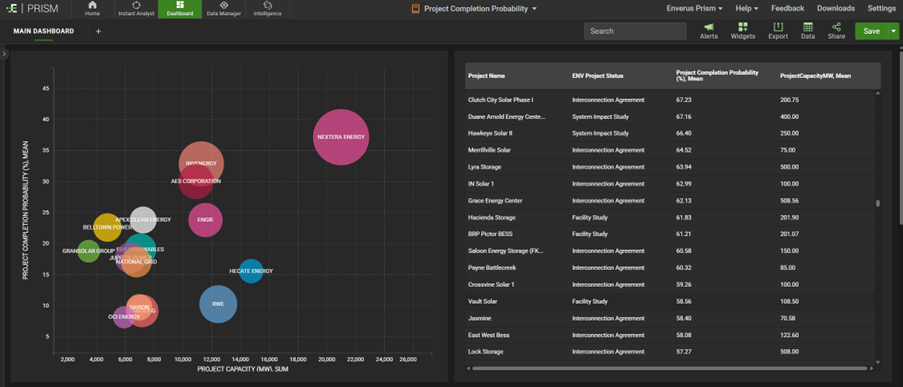
Project Likelihood: Enverus’ proprietary models use all relevant factors (e.g. queue status, available transfer capability, developer track record, competitive projects) to calculate a project likelihood. You can quickly benchmark projects and filter out lower probability projects to focus only on those with a feasible path to COD.
Figure 8: Probability scoring in PRISM allows you to filter out low-probability projects and focus only on deals with a strong, viable path to COD.
Outcome:Higher bid success and lower pursuit costs.
By screening opportunities, EPCs avoid sunk cost on bids destined to fail. They redirect efforts to projects with a much greater chance of moving forward. This can make an EPC’s average project win rate jump significantly (e.g. bidding on projects up to 9× more likely to be built than others).
Workflow 4: Accelerated Design & Quoting
“From Weeks to Minutes”
Challenge: Slow, manual design processes force EPCs to choose between speed and accuracy.
Traditional FEED solar and battery designs using CAD or third-party engineers can take 15–30 days for a single project, delaying proposals and limiting how many RFPs an EPC can pursue. On average, 2,000+ engineering hours per year are lost to low value screening and bid work. This bottleneck hurts an EPC firm’s ability to win new business.
Solution: Fast-track the engineering workflow and quote more projects by automating project design and document generation without increasing engineering head count and allowing for engineering talent to focus on more revenue generating tasks.
How it works:
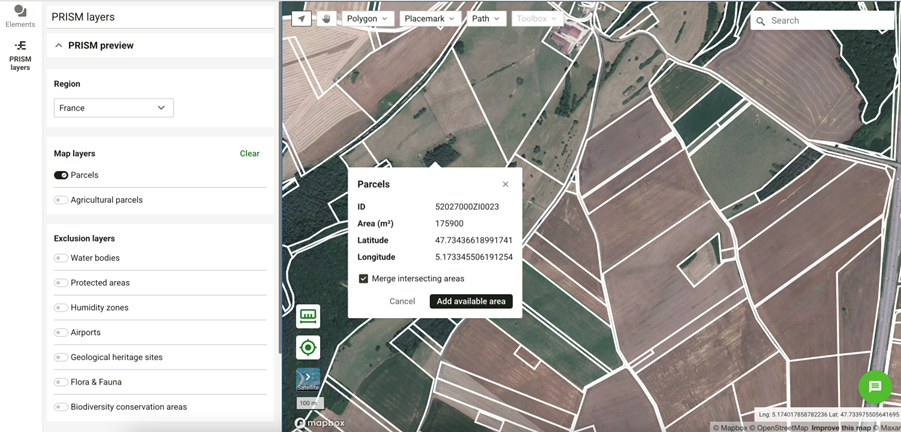
Site Selection: Select a project site from an identified opportunity, and enter basic parameters (location, desired capacity, technology type, etc.).
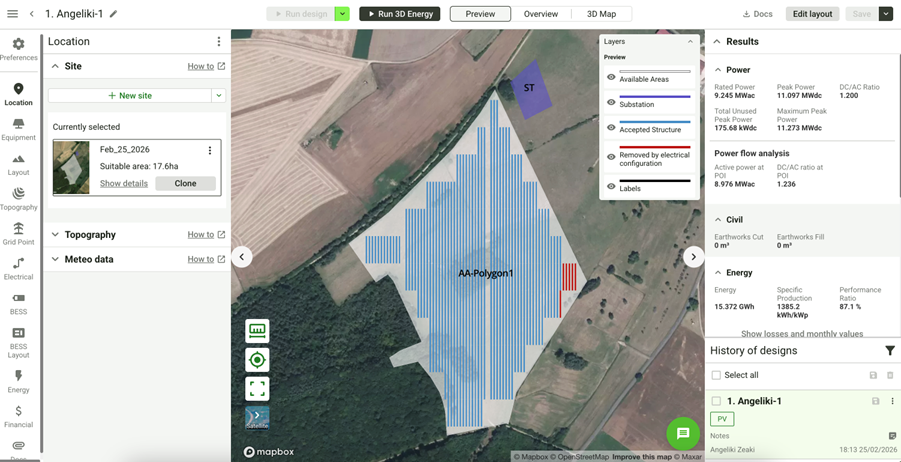
Figure 9: Enverus automates preliminary engineering and design, allowing EPCs to quote more projects without increasing engineering headcount.
Automate Layout & BOM: Run an automated design simulation and quickly generate an optimized PV or battery storage system layout, single-line diagrams, and Bill of Materials (BOM) with equipment specifications – all in one go.
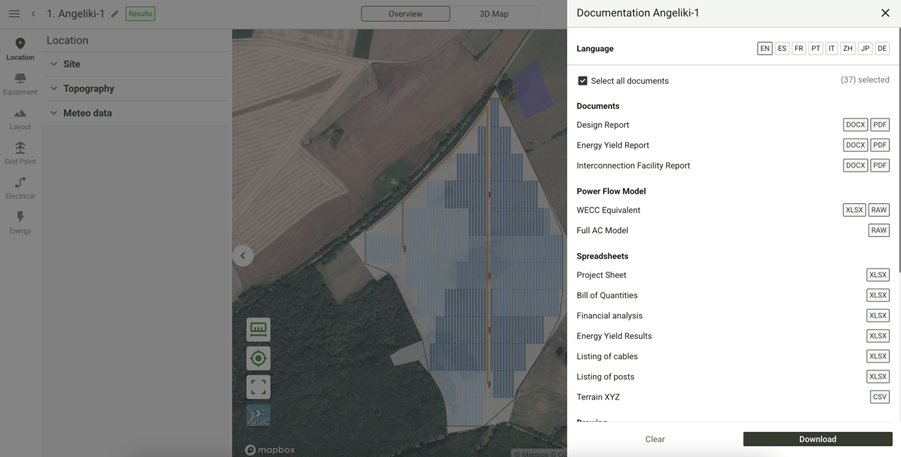
Figure 10: As the provider with the most extensive documentation, Enverus delivers 400+ customizable design and engineering documents, reducing necessary time by 90%+.
Instant Revision & Analysis: The engineer can tweak inputs (e.g. panel type, inverter loading, DC/AC ratio) and re-run the design in seconds. Enverus’ built-in GIS layers also help check site conditions like terrain, land constraints, and closest interconnection points, ensuring the design is both fast and high quality.
Ready-to-Quote Package: Get a comprehensive design package (site plan, engineering diagrams, yield analysis, and cost and revenue estimates) ready to be included in the proposal to the client. This professional, data-backed package differentiates the bid while also reducing the time it took to make it.
Figure 11: Enverus provides a comprehensive professional data-backed design package (site plan, engineering diagrams, yield analysis, and cost and revenue estimates) that differentiates your bid; while also reducing the time it took to make it.
Since using PV Design, we’ve reduced our overall engineering workflow by about 50% because it combines many features like Apex estimation, AutoCAD designs, even battery storage simulations. We’re also able to design several megawatts of storage, which was impossible before. We did not have an alternative solution for battery energy storage design, so it’s helped us improve our applications for grid connections to stationary BESS projects throughout Europe.
Nettia Susan Vargas | Engineering Manager, Recurrent Energy
Outcome:90% faster turnaround on initial designs and more bids out the door.
What used to take 2–4 weeks of engineering can now be done in a matter of hours. This means an EPC can bid on substantially more projects without adding staff, increasing their chances of winning new contracts. Furthermore, senior engineers spend their time focused on revenue generating work, further optimizing capital and time.
Conclusion & Next Steps
The power sector’s pace of development rewards EPCs that move early and make better decisions with better information. Across these four workflows, the common thread is clear: integrating market intelligence, project data, and automated design into the pre-construction process allows leadership to allocate capital and engineering capacity more deliberately — earlier, with less risk, and at higher margin. The result is a stronger pipeline, a more selective bid strategy, and a competitive advantage ahead of the next build cycle.
Ready to put these Workflows Into Action?
Let’s get started!
We’ll follow up right away to show you a quick product tour.
Let’s get started!
We’ll follow up right away to show you a quick product tour.