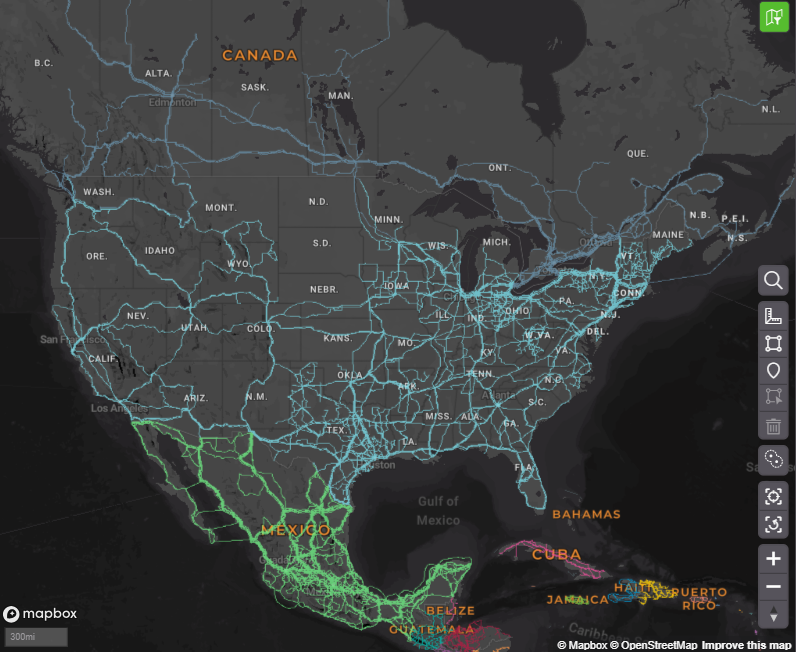
With more than 156 million parcels, stake your claim in the right spot.
Data center demand is accelerating as AI workloads, higher rack densities and always‑on computing place unprecedented strain on existing power infrastructure. While demand growth is not evenly distributed, certain regions are already experiencing grid congestion, extended interconnection timelines and increased competition for reliable power.
As a result, where a data center is built has a direct impact on reliability, cost and long‑term scalability. Siting decisions influence everything from power availability and pricing exposure to development timelines and expansion potential.
Enverus supports data center and large‑load siting by bringing together power market intelligence, infrastructure data and parcel‑level insights into a single, connected view. These insights help teams move from broad market screening to site validation with greater confidence and less risk.
How this guide is structured
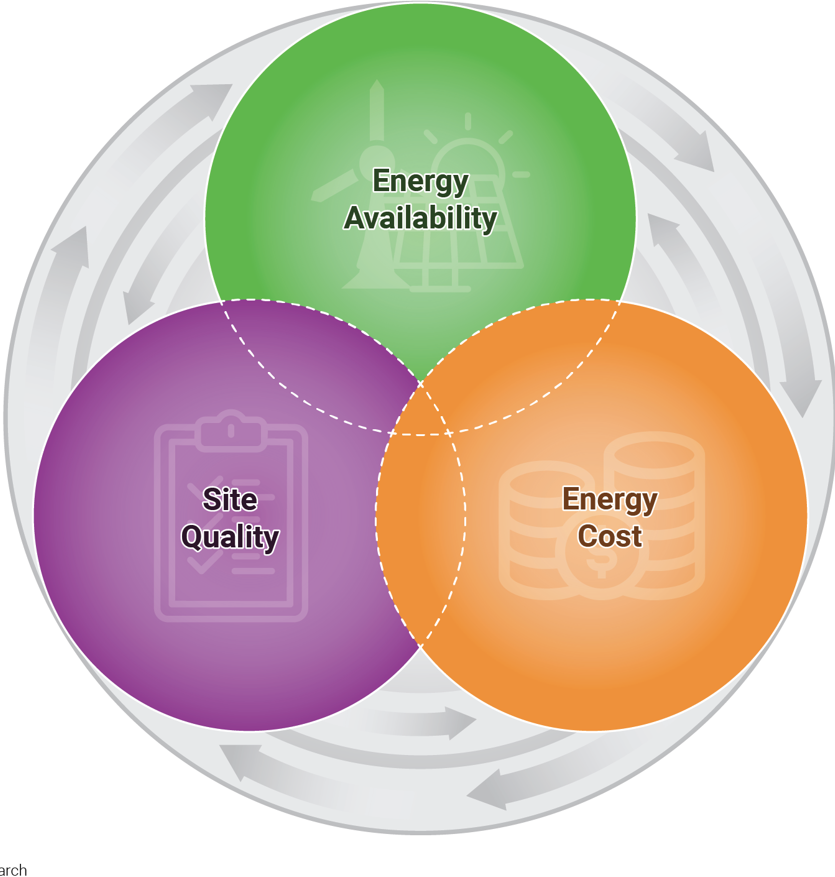
This e‑book is organized around three core siting pillars—Power, Price and Place—followed by a practical workflow that shows how these criteria are applied in sequence to identify viable sites.
Effective data center siting balances three interdependent factors. Each pillar plays a distinct role at different stages of the decision process.
Role in the process: Primary pass‑fail screen
Power availability is the first and most critical constraint in data center siting. Without sufficient, reliable capacity, no combination of land, pricing or connectivity can make a site viable. Power feasibility is therefore evaluated early, before capital is committed to parcels, permitting or detailed design.
Modern data centers place sustained, always‑on demands on the grid. While renewable generation and energy storage continue to play a growing role, dispatchable resources remain essential for meeting baseline load requirements—particularly in regions facing congestion, interconnection delays or limited available withdrawal capacity.
Four Key Criteria to Evaluate a Site’s Energy Availability:
1. Withdrawal Capacity Across Time Intervals
Can this site reliably support power withdrawal throughout the day, week, and year?
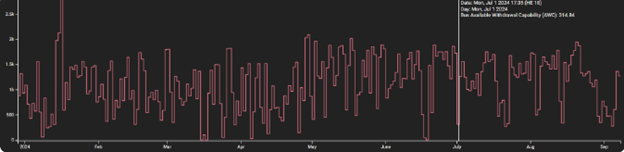
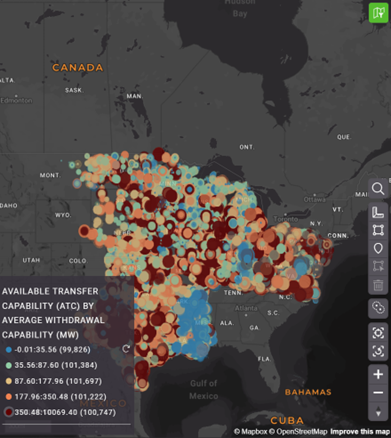
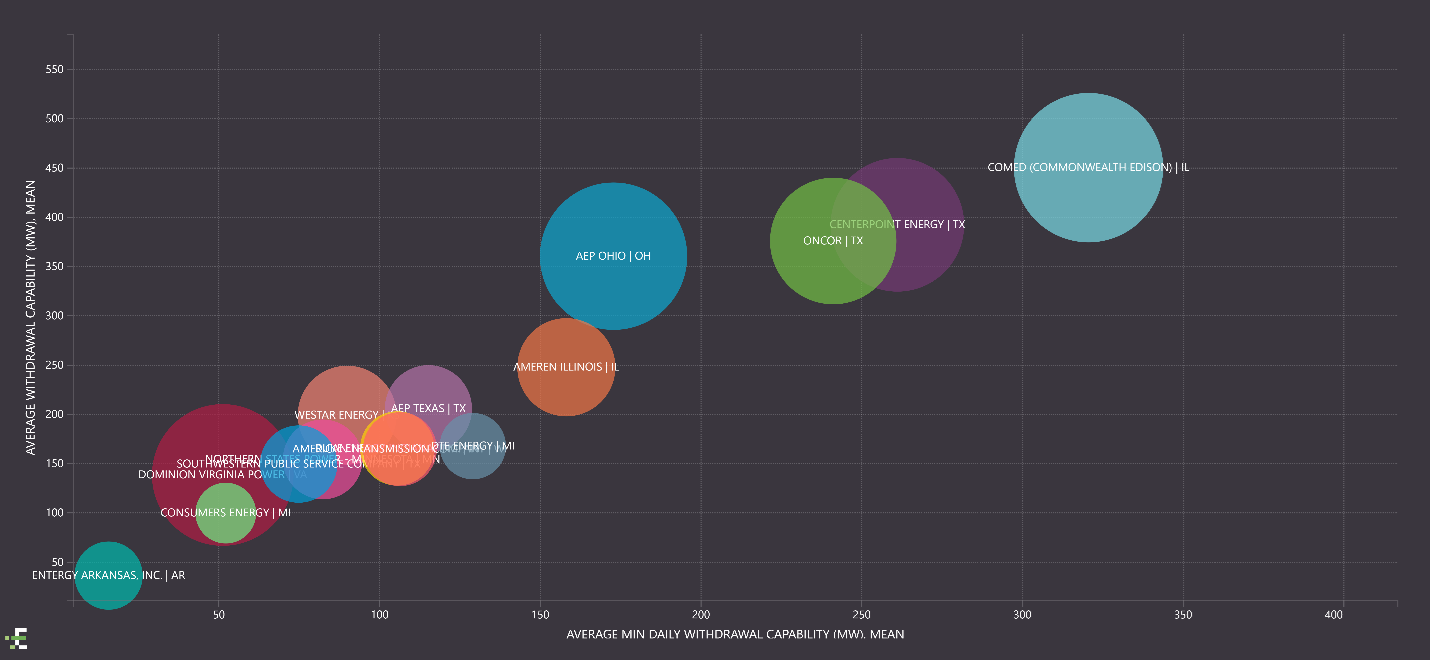
The available withdrawal capacity (AWC) is how much energy can be taken from the grid at any given time without causing issues with other users or causing brownouts. The average daily minimum capacity is the amount of power that can be generated by a facility on any given day, regardless of demand. This number should be high enough to ensure that there will always be enough power available for data center operations. With Enverus Panorama, users can assess AWC across hourly, daily, weekly and monthly intervals for a bus.
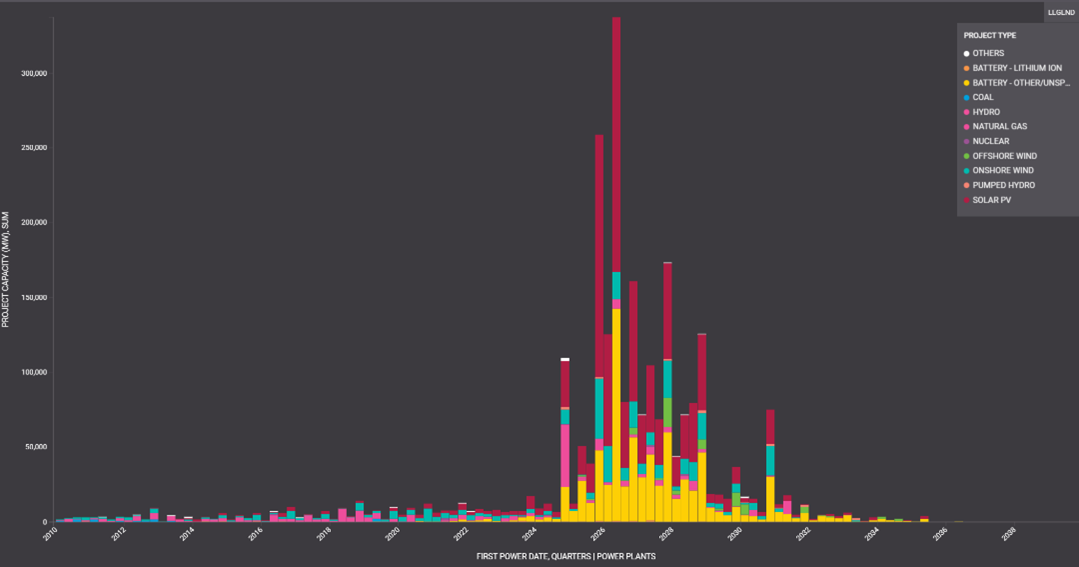
In addition to historical withdrawal capability, developers need to understand how capacity will change in the future. Using outputs from ISO planning models, users can understand withdrawal capacity across different future scenarios such as peak load assumptions in the next 5 years. This information, paired with historical trends, helps determine whether a stie can consistently meet baseline load requirements and if it will do so in future grid scenarios.

2. Limiting Constraints
What grid constraints restrict power availability at this location?
An initial review of AWC across time intervals may suggest that a site isn’t suitable for a data center. However, developers can investigate periods of low AWC more closely to examine the specific limiting constraints causing these conditions. This analysis helps predict when constraints may recur and determine whether they were caused by unusual events or weather affecting renewables or transmission outages. Enverus Panorama surfaces specific limiting constraints at the bus and substation level, allowing teams to investigate the root causes of capacity limitations and assess whether those issues are likely to to persist.
3. Daily Power Needs
Can the site meet minimum daily power requirements during low availability periods?
Average capacity can obscure periods when power availability drops below operational requirements. Evaluating minimum daily power availability provides a clearer view of whether a site can reliably support continuous, always‑on operations without frequent reliance on backup solutions. Enverus PRISM® provides the historical energy data needed to reveal locations with consistent minimum power availability —this helps ensure the selected site can meet daily baseline energy requirements without frequent disruptions.
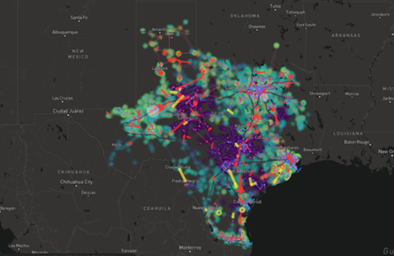
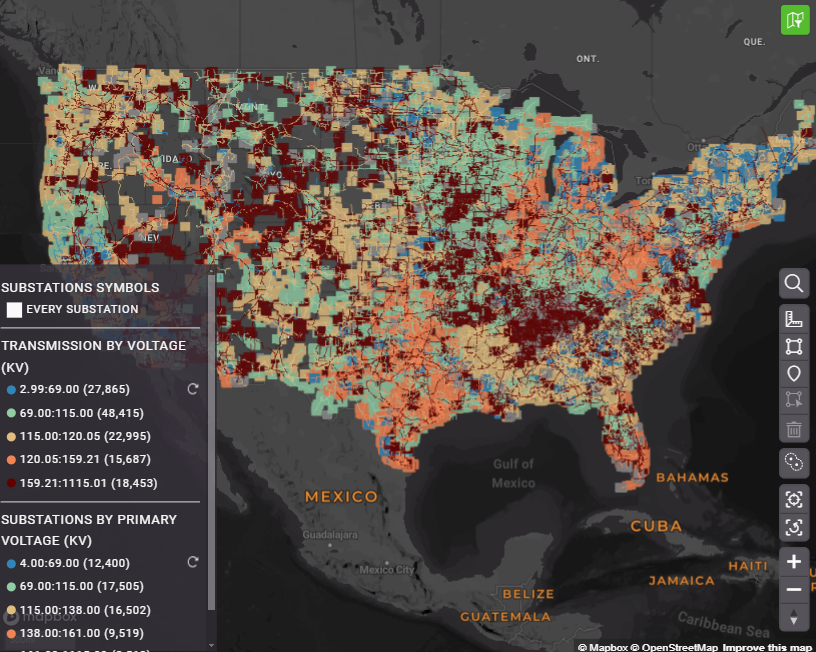
Beyond simply analyzing the available capacity at a bus, Panorama offers deep insights into surrounding grid infrastructure- including transmission lines, substations, power plants and load profiles. By evaluating these interconnected components, developers gain a comprehensive understanding of each site’s grid power potential.
4. Behind-the-Meter Natural Gas
Can alternative power strategies improve reliability or time-to-power at this site?
In markets with constrained grid capacity or long interconnection timelines, behind‑the‑meter (BTM) natural gas generation can provide a more reliable and predictable power solution. By pairing data centers with dedicated generation, operators reduce exposure to transmission congestion, interconnection delays, and grid volatility.
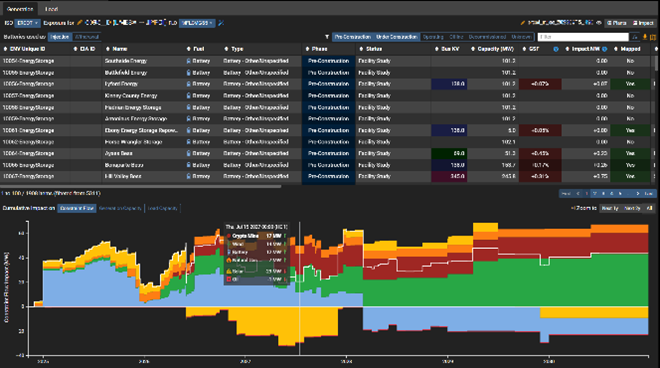
From a siting perspective, BTM strategies shift priorities beyond traditional grid‑first criteria. Proximity to high‑pressure natural gas pipelines, available rights‑of‑way, and sufficient contiguous acreage becomes critical, allowing sites with strong gas infrastructure—but constrained electric interconnections—to remain viable. By integrating power infrastructure data, natural gas pipeline mapping, parcel buildability analysis and congestion insights, Enverus enables developers to evaluate behind‑the‑meter strategies alongside traditional grid interconnections.
Key takeaway: Power is the primary pass‑fail screen- sites with insufficient withdrawal capacity or persistent grid constraints are typically eliminated early in the siting process.
Role in the process: Differentiating viable sites
Once power feasibility is established, energy pricing becomes a key factor in comparing otherwise viable locations. Data centers are highly sensitive to price volatility, congestion‑driven cost spikes and long‑term uncertainty. Evaluating historical pricing, congestion patterns and forward‑looking forecasts helps identify sites that offer not just low prices today, but more predictable economics over time.
Four Key Criteria to Evaluate Before Breaking Ground:
1. Historical Power Prices
How expensive has power historically been at this location?
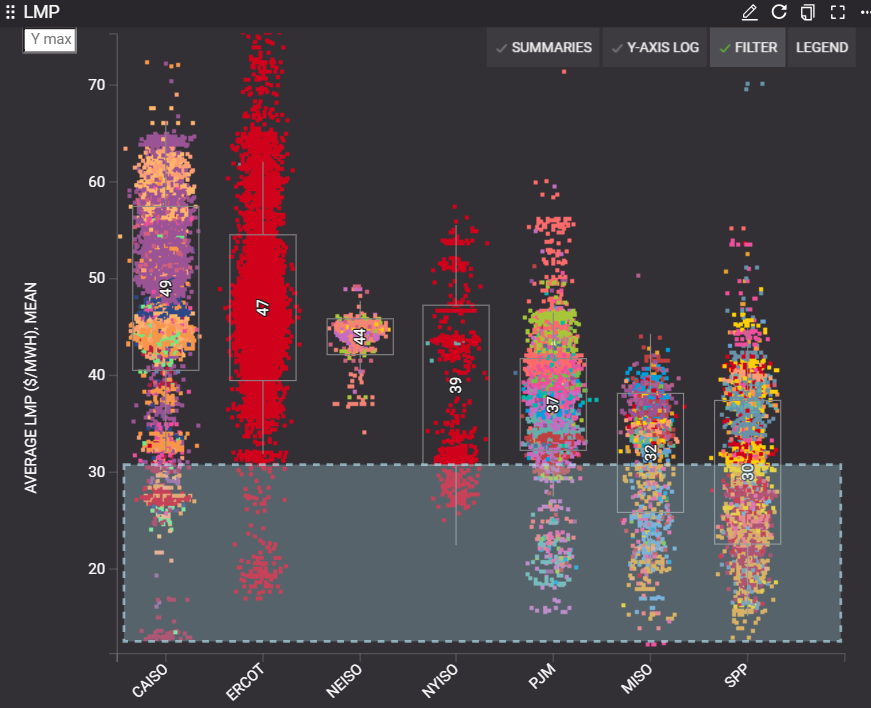
Historical power prices provide a baseline view of what it costs to operate at a given node or region over time. Reviewing long‑term pricing trends helps establish whether a location has consistently supported low‑cost operations or has been subject to structurally higher energy costs driven by market conditions. Enverus provides historical locational marginal pricing (LMP) data across power markets, allowing teams to benchmark and compare candidate sites based on actual pricing performance rather than point‑in‑time assumptions.
2. Congestion Driven Price Exposure
How often does congestion materially increase operating costs?
Even sites with relatively low average prices can experience sharp cost increases during periods of congestion. Understanding how frequently congestion events occur—and how severe their pricing impact is—helps assess the true operating cost risk of a location. Enverus congestion analytics surface where structural grid constraints regularly drive price spikes, helping teams identify sites where congestion is likely to materially impact operating costs.
3. Price Volatility & Cost Risk
Are low average prices masking significant volatility or downside risk?
Price volatility introduces uncertainty into operating budgets and long‑term financial planning. Evaluating variability over time helps determine whether a site’s economics are stable or subject to unpredictable swings that could erode margins. Enverus highlights volatility trends and constraint‑driven pricing risk, enabling teams to differentiate between locations with stable cost profiles and those with elevated downside exposure.
4. Forward-Looking Price Outlook
Will this site remain cost competitive over the life of the data center?
Future pricing is influenced by planned generation, transmission upgrades, and competing load growth that may materially change market dynamics. A forward‑looking view is critical to understanding whether today’s attractive pricing will persist over the long term. Enverus forward‑looking market forecasts incorporate planned infrastructure and projected load growth to assess how pricing dynamics are likely to evolve over the life of the data center.
Key takeaway: Price does not determine whether a site works—it determines which viable sites deliver the most predictable and competitive long‑term economics.
Role in the process: Determining real world feasibility
After power and pricing narrow the field, site quality determines whether a project can actually be built and expanded. Physical characteristics of the land, such as size, proximity to resources and buildability are foundational for successful site selection. Suitable parcels need to accommodate large-scale infrastructure, cooling systems and potential expansions. Proximity to existing infrastructure, such as power lines and transportation, can further enhance site viability and reduce initial setup costs.
Six Key Criteria for Parcel Suitability Include:
1. Buildable Acreage
Is there enough usable land to support current needs and long term growth?
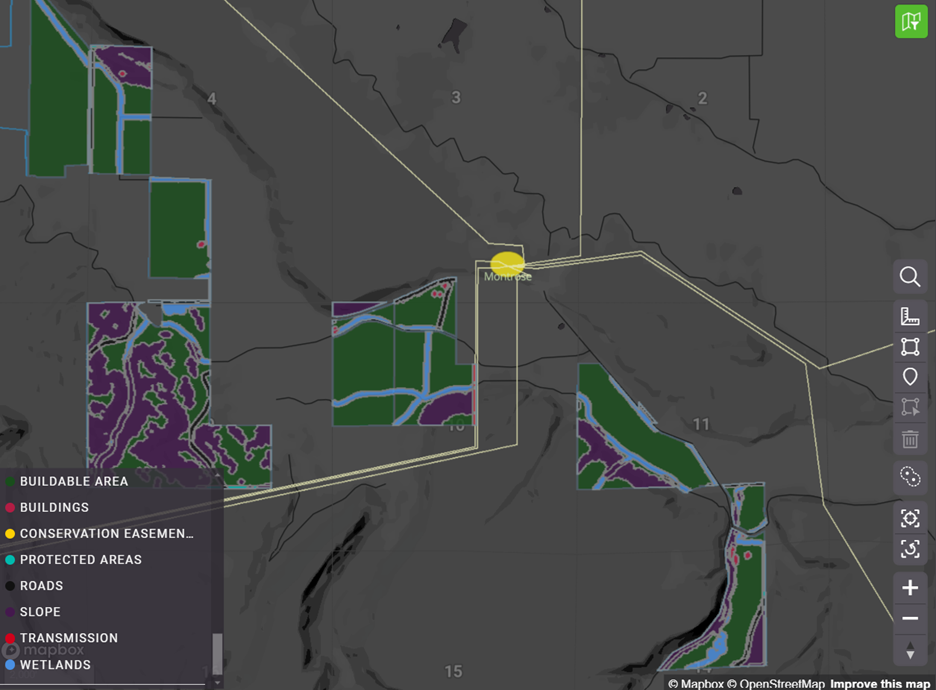
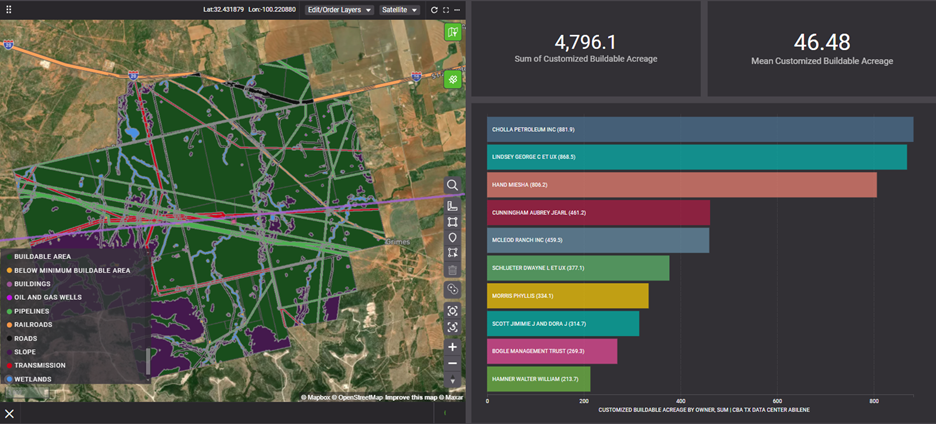
Buildable acreage determines whether a site can physically accommodate a data center’s footprint, supporting infrastructure, security buffers, and long‑term expansion plans. Even locations with strong power and pricing fundamentals can fail if parcels are fragmented, undersized, or constrained by development limits. Additionally, many data centers incorporate green spaces or additional security perimeters, which further increases space requirements. Enverus tracks buildable acreage across millions of parcels, helping teams quickly identify contiguous, developable land that can support large‑scale data center projects.
2. Infrastructure Access
Can this site be served without major infrastructure upgrades?
Locations with direct access to reliable utilities reduce the need for costly infrastructure extensions and support ongoing operational efficiency. Parcels situated near major transport routes or urban centers also facilitate logistics, employee commuting and service access, which are important for smooth data center operations. In hybrid or behind‑the‑meter power configurations, access to fuel infrastructure becomes a first‑order screening criterion. Enverus integrates power, pipeline, and infrastructure datasets to assess proximity and availability, helping teams prioritize sites that can be served efficiently and cost‑effectively.
3. Fiber Optics Access
Does this site support reliable, always on connectivity?
Proximity to fiber optic cables is a key consideration when selecting a data center site, as high-speed, reliable connectivity is essential for efficient data center operations. To reduce operational risk, sites should have:
4. Environmental and Regulatory Considerations
Will environmental constraints delay or prevent development?
Environmental restrictions—such as wetlands, protected areas, flood zones, or regulatory overlays—can limit buildable area or introduce permitting risk. Compliance with environmental regulations often requires conducting environmental impact assessments to identify potential risks and mitigation strategies. Selecting parcels with minimal environmental constraints can simplify the development process, reduce costs and align with sustainability goals. Enverus surfaces environmental and regulatory constraints at the parcel level, enabling early identification of sites where permitting complexity or restrictions may materially impact project viability.
5. Cooling Capacity
Can the site support cooling requirements at scale?
Cooling is a critical operational requirement for data centers, influencing both performance and energy consumption. Utilizing nearby water bodies for cooling can help:
While proximity to water bodies offers significant cooling advantages, it’s essential to account for environmental regulations and potential impacts on local ecosystems. Water withdrawal and discharge may be subject to strict regulatory oversight to prevent thermal pollution and protect aquatic habitats. Therefore, data centers near water bodies often incorporate filtration, monitoring and recycling processes to minimize their environmental footprint and comply with local and federal regulations.
6. Parcel Zoning
Is this parcel zoned for large load usage?
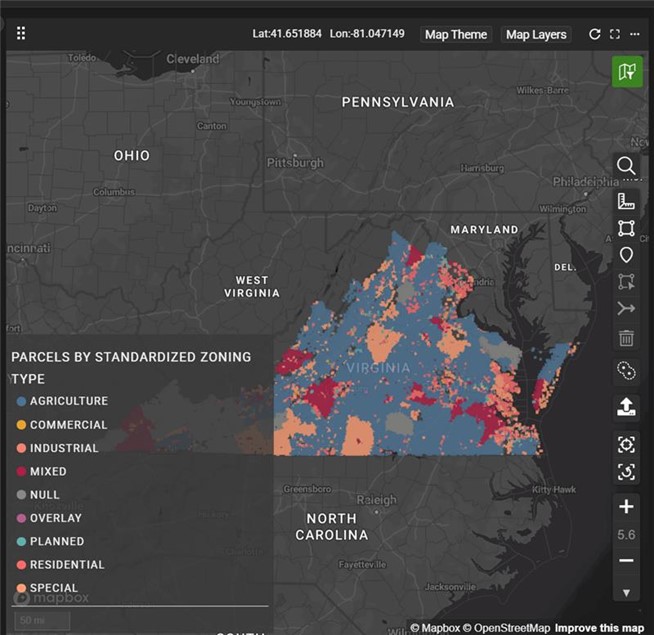
Understanding a parcel’s current zoning is critical for developers, as zoning designations can significantly impact the feasibility of building a load center. Parcels zoned for residential use may require re-zoning approval before development can proceed, whereas parcels already zoned for industrial or commercial use are generally better suited for this type of infrastructure.
Key takeaway: Many sites fail not because of power or price, but because they cannot support the physical and infrastructure requirements of large‑scale facilities
By this point, the siting criteria that determine success—power availability, cost dynamics and site quality—have been established.
The workflow below shows how these factors are applied in sequence to move from broad screening to site validation. Some criteria are evaluated as early pass-fail screens, while others are used to differentiate among the most competitive sites.
Enverus brings together power infrastructure intelligence, parcel screening, congestion analytics and market forecasting to support each stage of the siting workflow. By applying these insights in a connected sequence, teams can eliminate non‑viable sites earlier, reduce late‑stage risk and accelerate time‑to‑power.
Energy reliability is the backbone of any data center operation. The first step in siting a data center is evaluating grid infrastructure to confirm it can handle increased load demands (AWC). This involves analyzing nearby substations to ensure they are within a 5-mile radius, as well as assessing transmission lines and overall grid stability. For now, natural gas remains essential for consistent power until renewable technologies advance.
Enverus offers insights into grid volatility, capacity constraints and contingency scenarios- which are all key to performing power flow analysis. A critical focus is ensuring consistent baseload availability to reliably meet the data center’s daily energy needs without interruptions.
Land suitability is vital for seamless construction and future scalability. Data center developers evaluate parcels for topography and environmental considerations. The existing grid infrastructure must be assessed for its ability to support the data center’s power needs, as upgrades or expansions could significantly impact costs and timelines. Repurposed or underutilized land may offer a cost-effective alternative while aligning with sustainability goals.
Developers must review local policies for potential incentives and ensure the site adheres to all regulations. Additionally, assessing the environmental impact, including cooling resource requirements and the potential for renewable energy use, helps align the project with sustainability objectives.
Fiber-optic connectivity is vital for data center operations, as robust network infrastructure supports low latency and high-speed performance. Developers must analyze proximity to fiber-optic cables to ensure seamless connectivity. Enverus makes it easy to visualize nearby fiber infrastructure, adding an essential layer of context to the siting decision.
The final step in siting a data center involves cross-referencing all collected data to identify the most suitable sites. Stakeholders review and approve recommendations based on a comprehensive analysis of power availability, connectivity, costs and scalability.
Selecting the right site is fundamental to successful data center operations, as location directly impacts performance, reliability and cost-efficiency. Enverus supports this critical process by providing comprehensive data and analytics to address the unique challenges of data center siting. Through insights on power availability, connectivity, market conditions and land suitability, Enverus enables developers to make well-informed decisions that align with technical, financial and sustainability goals.
As the demand for data centers continues to grow, Enverus stands out as a trusted partner in digital infrastructure planning. Over 6,000 businesses, including 1,000+ in electric power markets, rely on our solutions daily to develop projects, manage the grid and optimize asset performance. By reducing project timelines by an average of 500 days in the interconnection queue, Enverus accelerates site selection and setup, helping customers enter the market faster with greater resilience and cost-effectiveness.
With a team of over 1,700 professionals, including 300+ power and renewables experts, Enverus offers a wealth of experience and expertise to navigate the evolving challenges of today’s energy and data landscapes. This e-book reflects our commitment to supporting your growth with insights and solutions that power efficient, strategic and future-ready data centers.
Let’s get started!
Let’s get started!
We’ll follow up right away to show you a quick product tour.
Ready to Subscribe?
Ready to Get Started?
Ready to Subscribe?
Sign Up
Power Your Insights